
HIPAA-Compliant Messaging That Keeps Patients Engaged Across Every Digital Channel
One Voice provides secure patient messaging for hospitals, medical offices, specialty practices, and patient-facing healthcare teams that need to reach patients by text, chat, and email—without putting protected health information at risk.
Our messaging programs handle appointment reminders, two-way patient conversations, payment communications, mass outreach, and website chat—structured around your systems, consent rules, and escalation paths. The result is HIPAA-conscious patient communication that reduces phone volume, improves engagement, and meets patients on the channels they already use.
At a Glance
More Than Sending Messages
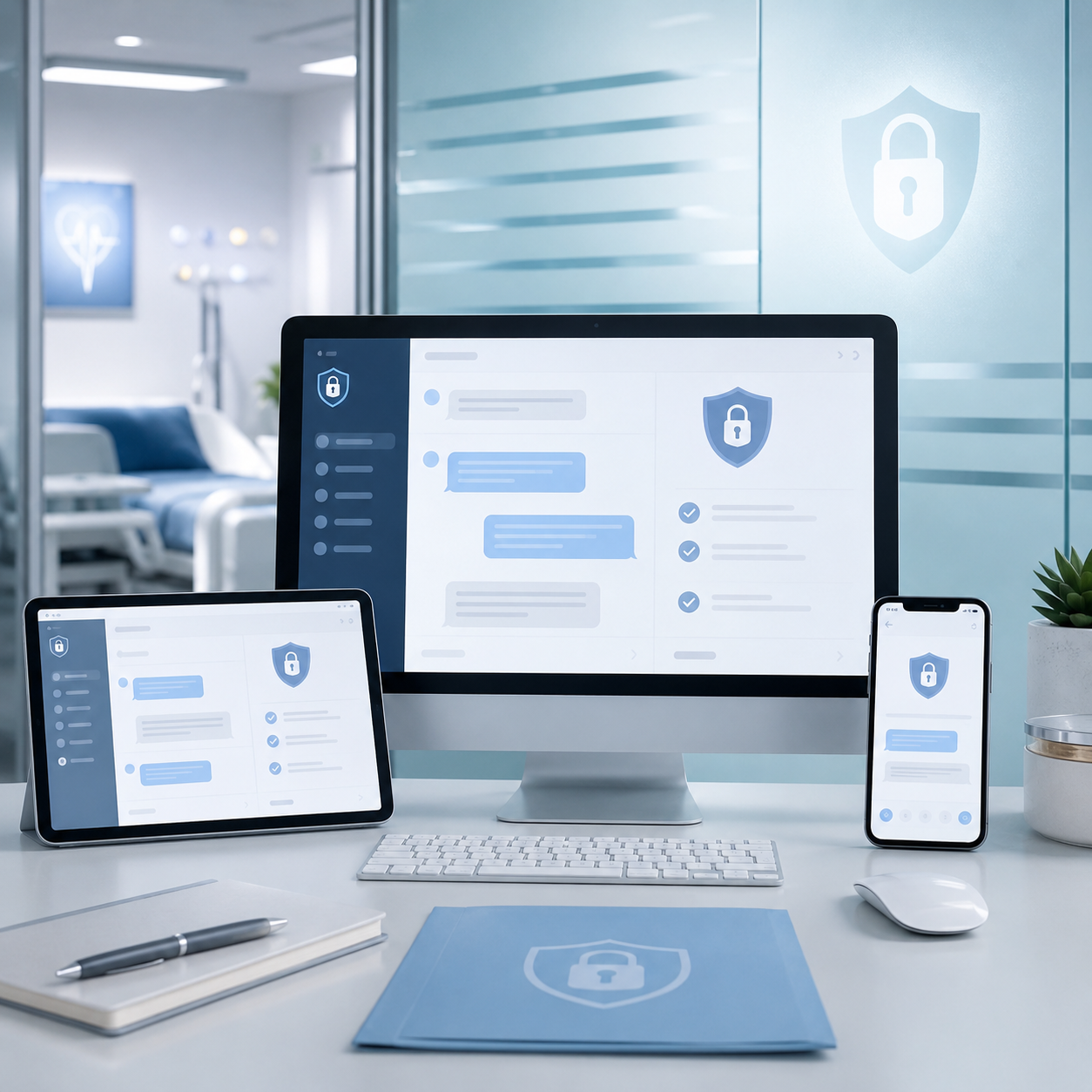
Secure patient messaging works best when you have both the right platform and the right team behind it. One Voice provides HIPAA-compliant messaging platforms—secure texting, chat, instant messaging, and email—along with the trained teams to run them, so you get compliant technology and healthcare-savvy communication in one solution.
Our platforms are built for healthcare from the ground up, with encryption, consent management, access controls, and audit-ready documentation. And because our teams are platform-agnostic, we can deploy our own secure messaging technology or work within your existing EHR/EMR and patient engagement systems—aligning with your documentation standards, consent requirements, and escalation rules so messaging feels like part of your internal team.
Why Secure Messaging Belongs in Your Patient Communication Strategy
Patients increasingly expect to text, chat, and email their providers the same way they communicate everywhere else—and organizations that don’t offer secure digital channels lose engagement, miss revenue, and push everything back onto the phones. But messaging only works as a strategy when it runs in both directions: responsive to patients reaching in, and proactive in reaching out.
On the inbound side, secure messaging gives patients a fast, low-friction way to ask questions, confirm appointments, request refills, and handle billing—resolving routine needs without a phone call and keeping your queues clear for what matters.
On the outbound side, it lets you proactively reach patients at scale with reminders, recalls, payment notices, and campaigns that improve attendance, collections, and follow-through.
The challenge is doing all of this compliantly. Consent, PHI handling, opt-outs, and timely responses each have to be managed correctly across every channel—and doing it in-house pulls staff away from care.
Key Benefits
- Meet patient expectations for text, chat, and email communication
- Resolve inbound requests—questions, confirmations, refills, billing—without a phone call
- Drive outbound engagement with reminders, recalls, payment notices, and campaigns
- Reduce inbound call volume and keep phone queues clear for urgent needs
- Communicate asynchronously—patients and staff respond on their own time, with no phone tag or hold times
- Keep PHI protected with consent-based, compliance-minded workflows across every channel
Our Secure Patient Messaging Capabilities
Medical Texting Service
A HIPAA-conscious texting program that lets your practice communicate with patients by SMS without exposing protected health information. Trained agents manage every conversation within consent-based workflows, giving patients the convenience of text while keeping your communication compliant.
Capabilities & Workflows
From automated reminders to live two-way conversations, our texting workflows cover the full range of patient communication—each built around consent, secure PHI handling, and clear escalation rules so the right message reaches the right patient at the right time.
- Patient Two-Way Texting
- HIPAA Compliant Text Reminders
Who We Support
Medical texting fits a wide range of healthcare settings, and we tailor each program to the workflows, terminology, and compliance needs of the practice type we’re supporting.
- Medical Offices
- Home Health Care Agencies
- Physicians / Doctors
- Therapists
- Dentists
- And More...
Patient Mass Messaging
Reach large patient populations at once with targeted, compliant broadcast messaging for closures, recalls, campaigns, and time-sensitive updates.
Secure Patient Payment Communications
Handle balance reminders and payment-related messaging securely—improving collections while protecting billing and payment information.
HIPAA Compliant Instant Messaging
Real-time secure messaging for fast, protected patient and internal communication without relying on unsecured consumer apps.
HIPAA Compliant Website Chat
Live and assisted chat on your website that captures inquiries, answers questions, and routes patients—securely and on-brand.
Email Service
Full management of your patient-facing email as a secure communication channel—not just automated confirmations. Trained agents monitor, triage, respond to, and route incoming patient and administrative email, handling everything from inquiries and scheduling to records requests, billing questions, and follow-ups within HIPAA-conscious workflows. We keep response times fast and consistent, escalate what needs clinical or internal attention, and make sure no patient message sits unanswered in an overloaded inbox.
Support Across the Healthcare Ecosystem
Hospitals & Health Systems
Medical Offices & Practices
Pharmacies
Payers & Health Plans
Home Health
Dentists
Messaging You Can Trust With Patient Data
HIPAA-Compliant by Design
Encrypted, access-controlled messaging platforms with signed BAAs and audit-ready logging—compliance built into the technology, not bolted on.
Consent & Opt-Out Management Done Right
We manage patient consent, preferences, and opt-outs across every channel, protecting you from the compliance exposure that comes with texting and emailing patients.
PHI Stays Protected & Contained
Controlled workflows and trained agents keep protected health information in secure channels—never the wrong recipient, never an unsecured app.
Reliable, Timely Responses
Structured coverage and monitoring keep patient messages answered quickly and consistently, so nothing sits unanswered in an overloaded inbox.

Built for HIPAA Compliance
Protecting patient information is core to how our messaging programs operate. We build workflows around privacy, consent, controlled access, and compliance-minded communication—so every message is handled with care and accountability.
- HIPAA-conscious patient messaging workflows
- Secure handling of patient, member, and billing information
- Controlled access aligned with your systems and permissions
- Consent-based outreach and opt-out management
Turn Patient Messaging Into a Channel That Works for You
Your patients want to text, chat, and email. One Voice builds and runs secure patient messaging end to end, so you capture the engagement and revenue you’re leaving behind.
Frequently Asked Questions
Do you provide the messaging platform, or just the staff?
Both. One Voice offers HIPAA-compliant messaging platforms—secure texting, chat, instant messaging, and email—along with the trained teams to run them. If you already have a messaging or patient engagement system, we can work within it instead. You get compliant technology and healthcare-savvy communication in one solution.
What channels does secure patient messaging cover?
Our programs span SMS/text, secure instant messaging, website chat, and email—so patients can reach you on the channel they prefer, and you can reach them, while protected health information stays secure across every channel.
Can secure messaging handle both inbound and outbound communication?
Yes. On the inbound side, we manage patient questions, confirmations, refills, and billing requests. On the outbound side, we run reminders, recalls, payment notices, and campaigns. Because messaging is asynchronous, patients and staff respond on their own time—no phone tag, no hold times.
How do you keep messaging HIPAA compliant?
Compliance depends on secure platforms, patient consent, proper PHI handling, and audit-ready documentation. We manage consent and opt-outs, keep protected health information in secure channels, and build every workflow around those requirements—so messaging stays compliant and respectful of patient preferences.
We're barely using these channels today. Can you help us start?
Absolutely. Many organizations either haven’t adopted secure messaging or use it in a limited, ad-hoc way. We build the channels, workflows, and coverage from the ground up—so you can turn an underused channel into real patient engagement without adding to your team’s workload.
Can you work inside our existing EHR and patient engagement systems?
Yes. One Voice is platform-agnostic and trains teams to work within your existing EHR, EMR, and patient engagement systems rather than forcing a platform change.