

AR Aging Signals That Mean It’s Time for Early Out
Thirty, sixty, ninety is an accounting convention. Here are the signals in your self-pay AR that say the window is being wasted.
One Voice provides healthcare early out services that help hospitals, health systems, and physician groups resolve self-pay and after-insurance balances in the critical window before they age into bad debt. Working as a seamless extension of your business office—under your brand and your policies—our teams engage patients early, help them understand what they owe, and make it easy to pay.
Early out isn’t debt collection. It’s compassionate, proactive patient billing support that reaches patients while the account is current and the relationship is intact—recovering revenue you’d otherwise write off, while protecting the patient experience your organization works hard to build.
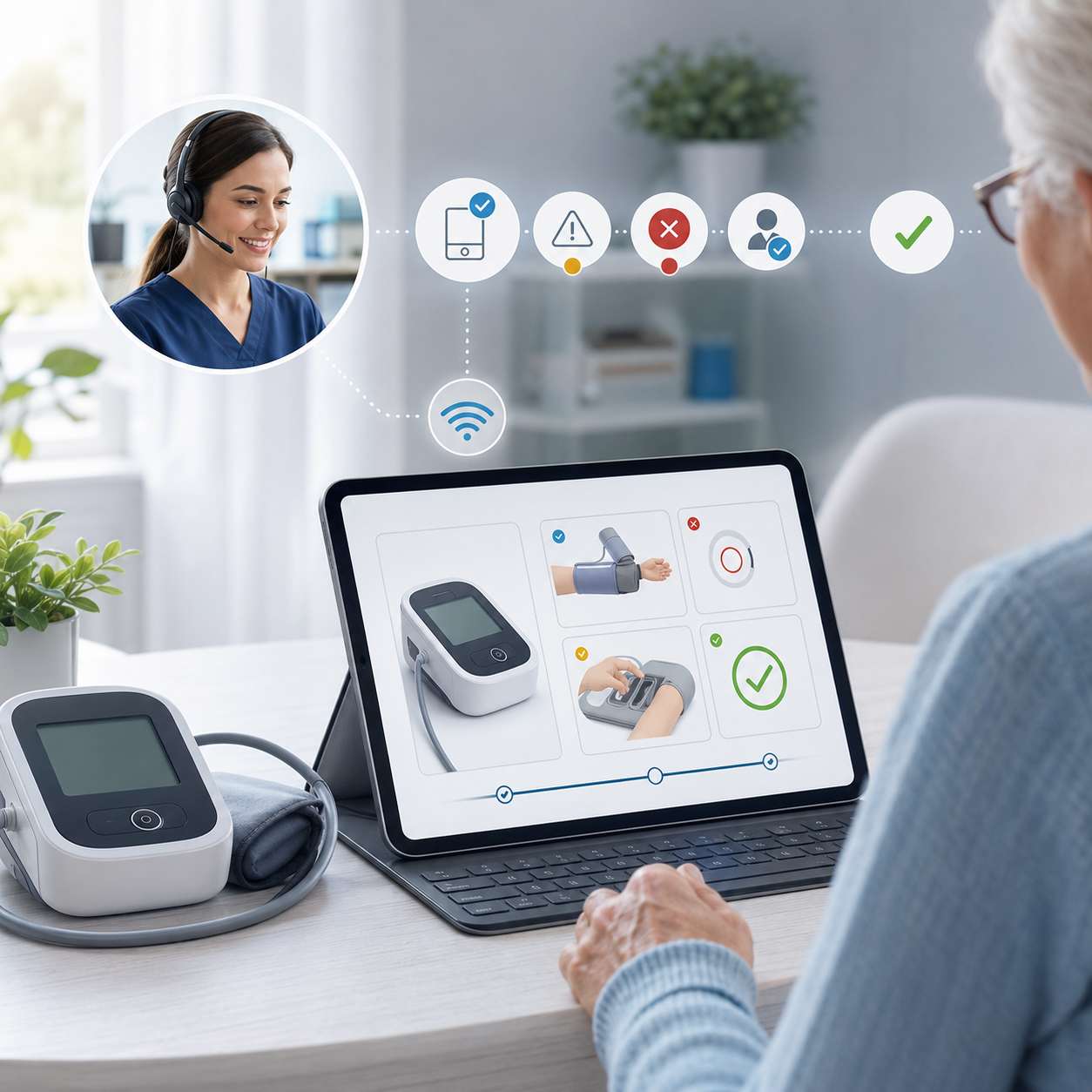
The difference matters—to your revenue and to your patients. Early out engages patients early, usually within the first 30 to 90 days of billing, while the balance is fresh and the account is still current. It’s handled in your name, as part of your business office, with the same care your patients experienced during treatment. Traditional collections takes over accounts already written off as bad debt, months later, as a third party.
One Voice sits firmly on the early side of that line. Our goal isn’t to chase debt—it’s to resolve balances before they ever become debt, so fewer accounts reach collections and more patients pay while they still feel connected to your organization.
If you’re a tax-exempt hospital, the timing of early out isn’t a preference. It’s set by the IRS.
Section 501(r) requires hospital organizations to make reasonable efforts to determine whether a patient qualifies for financial assistance before taking extraordinary collection actions — selling the debt, reporting to credit bureaus, deferring or denying medically necessary care, or anything requiring legal process. The rule sets a notification period of 120 days from the first post-discharge billing statement during which those actions are off the table entirely, and an application period of 240 days during which a patient can still apply for assistance.
That’s the window early out works in. For four months the harder options aren’t available, and what happens to the balance depends almost entirely on how well someone communicates with the patient about it — including whether anyone checks that the patient should have been billed that amount at all.
If you’re a for-profit hospital, a physician group or an ambulatory surgery center, 501(r) doesn’t bind you and the calendar is yours to set. The operating logic doesn’t change: balances resolve most readily while a patient still thinks of them as a bill from their provider rather than as a debt.
We’ve written up how that window works in What Early Out Self-Pay Actually Is.
Early out only works if patients feel supported, not pursued—and that’s what One Voice is built for. Most patients want to pay; what stops them is confusion about what they owe, anxiety about the amount, or not knowing their options. We remove all three.
Clear explanations of what a patient owes and why, so bills stop being confusing.
Payment plans and options that fit real budgets, not one-size-fits-all demands.
Proactive, respectful outreach that reassures instead of pressures.
Balances resolved early, so patients never face an aggressive agency.
High-deductible health plans have shifted more financial responsibility onto patients than at any point in the industry’s history—and that trend is accelerating. At the same time, business office teams are stretched thin by staffing shortages and rising self-pay volume, leaving little bandwidth to work accounts during the narrow window when they’re most collectible. The result is more revenue slipping into bad debt, not because patients won’t pay, but because no one reached them in time, in the right way.
One Voice closes that gap with dedicated teams whose entire focus is early, patient-friendly self-pay resolution—so balances get worked while they’re fresh, and your staff stays focused on the patients in front of them.
A structured, patient-first process that resolves balances early—handled entirely in your name and aligned to your policies.

The easier it is to pay, the more patients do. One Voice meets patients on whatever channel they prefer and makes resolution simple—whether they want to handle it themselves or talk to a person.
Easy online payment through your existing portal, including QR codes and links right on statements
Trained agents ready by phone, text, email, or live chat to answer questions and take payment
Not every account should be worked the same way. One Voice organizes your self-pay and after-insurance accounts and focuses outreach where it will do the most good—so effort concentrates on the balances most likely to resolve, while accounts that need different handling are flagged early.
The result is a program that recovers more revenue in less time—without spreading your outreach thin across accounts that need a different path.
To your patients, we are your team. Every letter goes out on your letterhead, every call is answered in your organization’s name, and every interaction follows your policies and brand voice. Patients experience continuity with the organization that cared for them—not a handoff to an outside agency.

Early out touches protected health information, patient finances, and your reputation—so it has to be handled with care and accountability. Our teams operate to healthcare’s standards and yours.
Every balance that ages into bad debt is revenue lost and a patient relationship strained. One Voice helps you recover more, earlier—compassionately, in your name, and before accounts ever reach collections.
Early out services resolve self-pay and after-insurance patient balances early in the billing cycle—typically within the first 30 to 90 days—before they age into bad debt. The work is done as an extension of your business office, in your name, to recover revenue while preserving the patient relationship. If you’re weighing it, we’ve written about the AR aging signals that suggest it’s time and how to choose an early out partner.
Early out engages patients while the account is current and the relationship is intact, in your name, as part of your business office. Traditional collections takes over accounts already written off as bad debt, months later, as a third party. Early out is designed to prevent accounts from ever reaching that stage—so fewer patients ever face a collections agency.
No. We operate entirely in your name—your letterhead, a phone line answered in your organization’s name, and your brand voice. To your patients, we’re an extension of your business office, providing the same continuity of care they experienced during treatment.
It’s usually the opposite. Most patients struggle with confusing bills and don’t know their options—that’s what stalls payment. Our agents explain balances in plain language, answer insurance questions, and set up manageable payment plans, so patients feel supported rather than pursued. Done well, early out improves patient satisfaction while recovering revenue.
Yes. Many balances that look like self-pay are actually unresolved insurance issues. Our team identifies these, collects missing coverage information, and routes accounts for re-billing—so patients aren’t asked to pay what insurance should cover, and you recover from the right payer.
However they prefer. Patients can pay themselves through your existing online portal—including links and QR codes on statements—or work with our agents by phone, text, email, or live chat. We also set up flexible, policy-aligned payment plans for patients who need to pay over time. Every payment flows through your existing systems.
Unresolved accounts are documented with a full record of every interaction and returned to you at the end of the early-out window, so you decide the next step. You stay in control of your accounts throughout.
Yes. We handle all patient and account information under strict HIPAA compliance, with recorded calls, controlled access, secure payment handling, and audit-ready documentation.
Practical guides on early-out self-pay and patient financial conversations.
Thirty, sixty, ninety is an accounting convention. Here are the signals in your self-pay AR that say the window is being wasted.

Patients who qualify for assistance and never hear about it become bad debt that was never real. What screening on a billing call involves, step by step.

Early out vendors pitch a recovery rate. Whether a program works depends on whose name is on the call, what gets screened first, and what’s reported.

They aren’t two points on a spectrum. Default is a legal line, and crossing it changes who may call, how often, and what reaches a credit report.

Early out isn’t gentle collections. It’s the work that happens in the months before an account can go to collections at all — and why that window exists.